
Grand City Mall Restaurants: Green City Valley, Bannu Gul Pulao & Cafeterias in Al Quoz (2026)
The Grand City Mall restaurants list tells you exactly who this mall feeds: the workers of Al Quoz and the families around it, at cafeteria prices, from early morning to late evening. There is no marble food court and no chain row. Instead there is a compact, well-loved set — Green City Valley for Kerala and Indo-Chinese food, Bannu Gul Beef Pulao for Pakistani plates, Dhaheyat Al Quoz Cafeteria for fast food — backed by shawarma counters, karak tea stalls and dessert kiosks. This guide covers each one and how eating here actually works. For the full mall picture, start with our main Grand City Mall guide.
| Detail | Info |
|---|---|
| Green City Valley | Indian, Kerala & Indo-Chinese |
| Bannu Gul Beef Pulao | Pakistani — beef pulao specialist |
| Dhaheyat Al Quoz Cafeteria | Fast food & cafeteria staples |
| Counters | Shawarma, karak tea stalls, dessert kiosks |
| Style | Casual, budget-friendly, no fine dining |
| Food shopping | Grand Hypermarket bakery & fresh counters, 7 AM–12 AM |
Green City Valley: The Kerala Favourite
Green City Valley is the name locals mention first. It serves the food of Kerala and South India — the dosas, biryanis, curries and breakfast plates that a huge share of Al Quoz’s workforce grew up on — alongside an Indo-Chinese menu of noodles and fried rice for variety. It is a proper sit-down restaurant by the mall’s standards: the place for a real lunch during a shift break, a family dinner after the weekly shop, or a weekend meal that does not need a drive across town. Kerala food is one of Dubai’s great everyday cuisines, and a neighbourhood restaurant that does it properly becomes a fixture — that is the role Green City Valley plays here. If you are new to the mall and want one meal that represents it, this is the table to start at.
Bannu Gul Beef Pulao: Pakistani Comfort Food
Bannu Gul Beef Pulao does one thing proudly: Pakistani comfort food, built around its namesake beef pulao — fragrant rice cooked with beef and spices, served in the generous portions a working district expects. Pulao restaurants like this are institutions across Dubai’s industrial areas: simple rooms, fast service, food that tastes like home for the Pakistani workforce, and prices that respect a salary. Around the pulao there are the usual grills and curries of a Pakistani cafeteria kitchen. For visitors from Al Barsha or Al Safa who know the dish from the old Bannu pulao shops of the city, this branch carries the same idea into Al Quoz: no ceremony, just a plate that delivers. Pair it with the mall’s other errands and it becomes the natural lunch stop in the middle of a shopping run.
Dhaheyat Al Quoz Cafeteria and the Counters
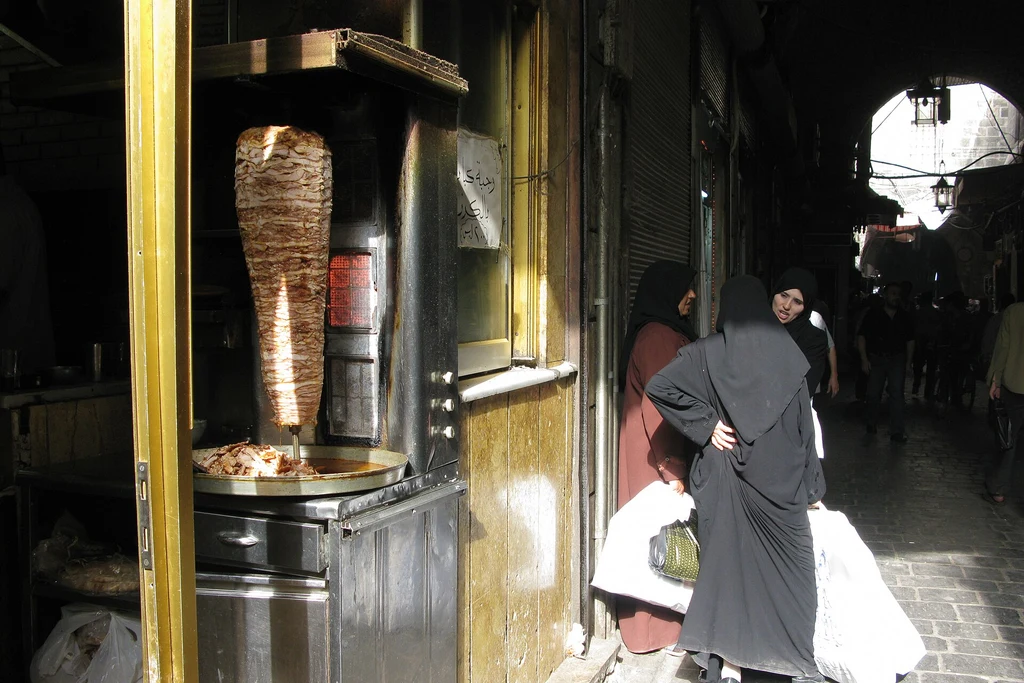
Dhaheyat Al Quoz Cafeteria covers the fast-food side: the burgers, sandwiches, juices and cafeteria staples that fuel a quick break. Around it, the mall’s smaller counters handle the snacks of the day — shawarma carved to order, karak tea stalls doing a constant trade, and dessert kiosks for something sweet on the way out. This counter culture is the real social layer of Grand City Mall. The karak stall is where the district takes its pauses: before a shift, between errands, while the phone repair finishes or the typing centre completes a document. None of it is fancy, and none of it tries to be. It is quick, hot, cheap and familiar — which, in a mall that opens at 7:00 AM for a working district, is exactly the brief. Our Grand City Mall services guide shows how these food stops sit alongside the pharmacy, exchange and typing errands most visits combine.
Eating from the Hypermarket
The mall’s second kitchen is Grand Hypermarket itself. The bakery section and fresh counters turn the weekly shop into a food stop: fresh bread and baked goods from the morning, hot and ready items through the day, and the ingredients for anyone cooking at home — which, in Al Quoz’s accommodation and Al Barsha’s villas alike, is most people. Because the hypermarket trades the mall’s full hours, 7:00 AM to 12:00 AM, it is also the reliable answer to odd-hour hunger: the early breakfast run before a shift, or the late shop after an evening one. Our Grand Hypermarket at Grand City Mall guide covers the fresh departments in detail. Between the cafeterias and the hypermarket, nobody who works or lives around this mall is ever far from a meal that fits the budget.
What Regulars Order
Every cafeteria scene has its unwritten menu, and Grand City Mall’s is easy to learn. At Green City Valley, the regulars rotate between the Kerala breakfast plates in the morning, biryani at lunch and the Indo-Chinese noodles when the table wants variety. At Bannu Gul, the order is in the name — beef pulao, with raita and salad, eaten without ceremony and remembered afterwards. At the cafeteria and the counters, it is shawarma, fresh juice and karak, the holy trinity of the Dubai tea break. None of this needs a reservation, a dress code or a plan: you order at the counter, the food arrives hot, and the bill respects the salary it is paid from. That ordinariness is the charm. These are the meals the district eats every single week, cooked by people who know exactly who is coming through the door.
How Eating Here Works: Times and Crowds
The food day at Grand City Mall follows the district’s clock. Mornings belong to karak, breakfast plates and the hypermarket bakery, serving the early crowd from the 7:00 AM opening. Lunch is the first peak — shift breaks fill Green City Valley and the cafeteria — and the evening is the second, when families combine dinner with the weekly shop and the restaurants do their busiest trade. Friday evenings are the liveliest of all. A practical pattern for a combined visit: shop first in the quieter hours, eat after, and let the mall’s midnight closing remove any rush — the timings are all in our Grand City Mall timings guide. Set expectations the neighbourhood way and this little food scene delivers: not a dining destination for the city, but the right food, at the right price, exactly where its people already are.